
EPA Abolishes Limits on Power Plant Emissions
Want to keep up with environmental news, law, and policy? Sign up for the Green Economy Law Monthly Newsletter here.
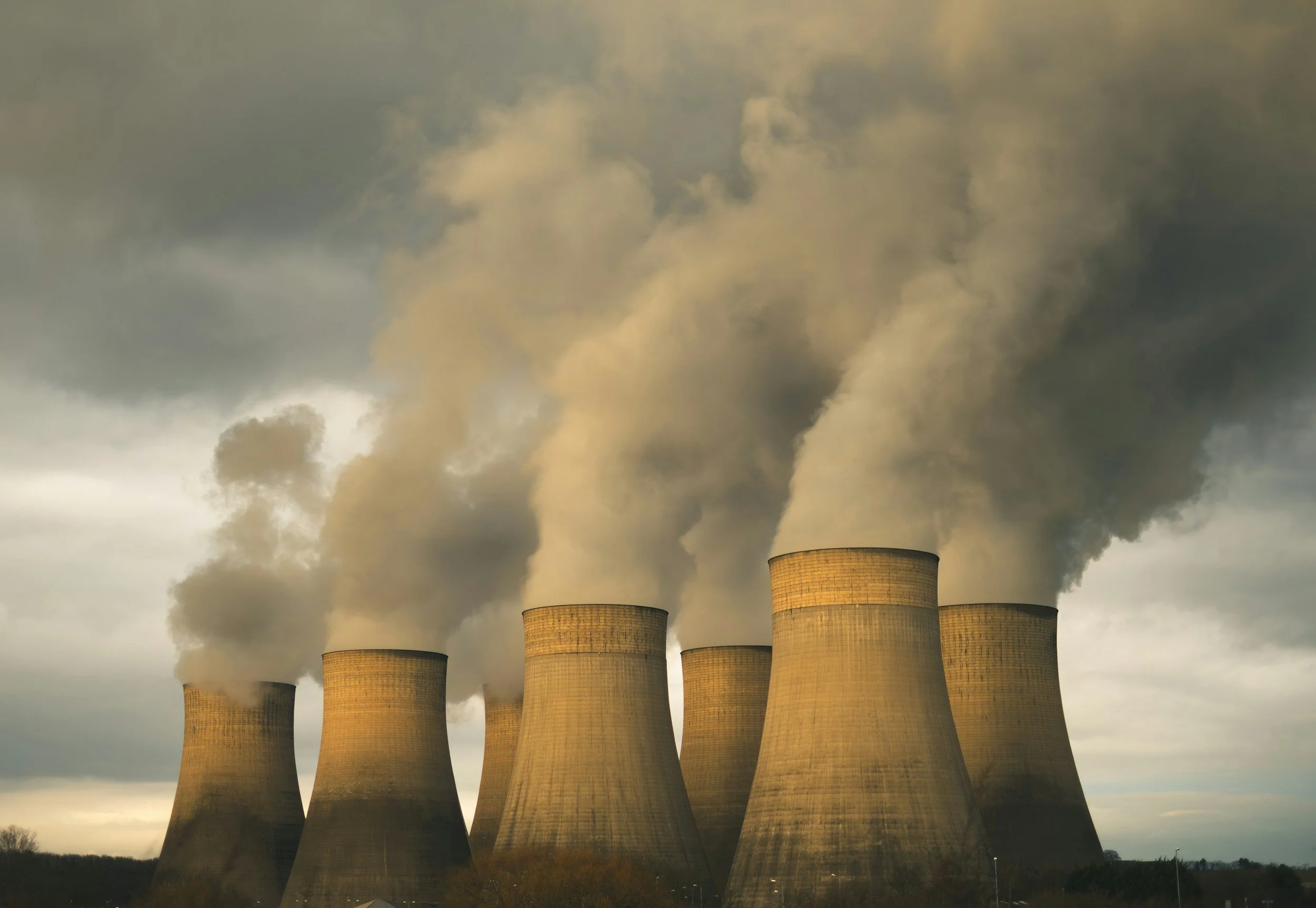
On September 14, 2026, the U.S. Environmental Protection Agency (EPA) finalized the repeal of its Power Plant Regulations, removing federal greenhouse gas performance standards limiting carbon emissions from fossil fuel power plants (though federal limits on other pollutants remain in place). The rollback is estimated to add around 5.8 billion metric tons of CO2 to the atmosphere by 2050.
The Biden-era regulations being repealed (themselves finalized in 2024) required fossil fuel power plants to reduce their greenhouse gas emissions by up to 90% by 2032, manage coal ash disposal sites to prevent groundwater contamination, and cut toxic metal, mercury and other pollutants from their emissions and wastewater discharge.
The repeal is part of an ongoing systematic rollback of US federal clean air, climate and other environmental protections.
According to the EPA’s announcement, the move constitutes the “largest deregulatory action in U.S. history”, which will save $310 billion in compliance costs, and deliver “reliable and affordable energy” to the American consumer. However, this statement should be contextualized by the fact that the EPA failed to quantify and factor into its calculations the “health care costs avoided and deaths prevented” by the regulations being gutted - these costs are estimated at $370 billion over the next two decades. The regulations were also projected to prevent “1,200 premature deaths and 360,000 asthma attacks in 2035 alone.”
One lawsuit challenging the repeal has already been filed with the US Court of Appeal for the D.C. Circuit by a coalition of environmental and public health groups, who allege the action to be an “abdication of EPA’s legal responsibility to protect public health and the environment.”
Should the EPA prevail in court and the repeal proceed unabated, Canadians (especially those living near the border) are likely to be affected by the resulting decline in air quality, and the corresponding increase in pollution-driven health problems and premature deaths.
American fossil fuel businesses’ compliance cost savings, brought about as a result of the rule change, may also motivate Canadian power plant operations to lobby federal and provincial governments to likewise remove applicable power plant emission regulations, pointing to the American example and noting that our compliance and resulting energy costs put Canada at a competitive disadvantage.
Please contact our firm at 647-725-4308 or info@greeneconomylaw.com, or book a consultation, for legal assistance in connection with green business matters.